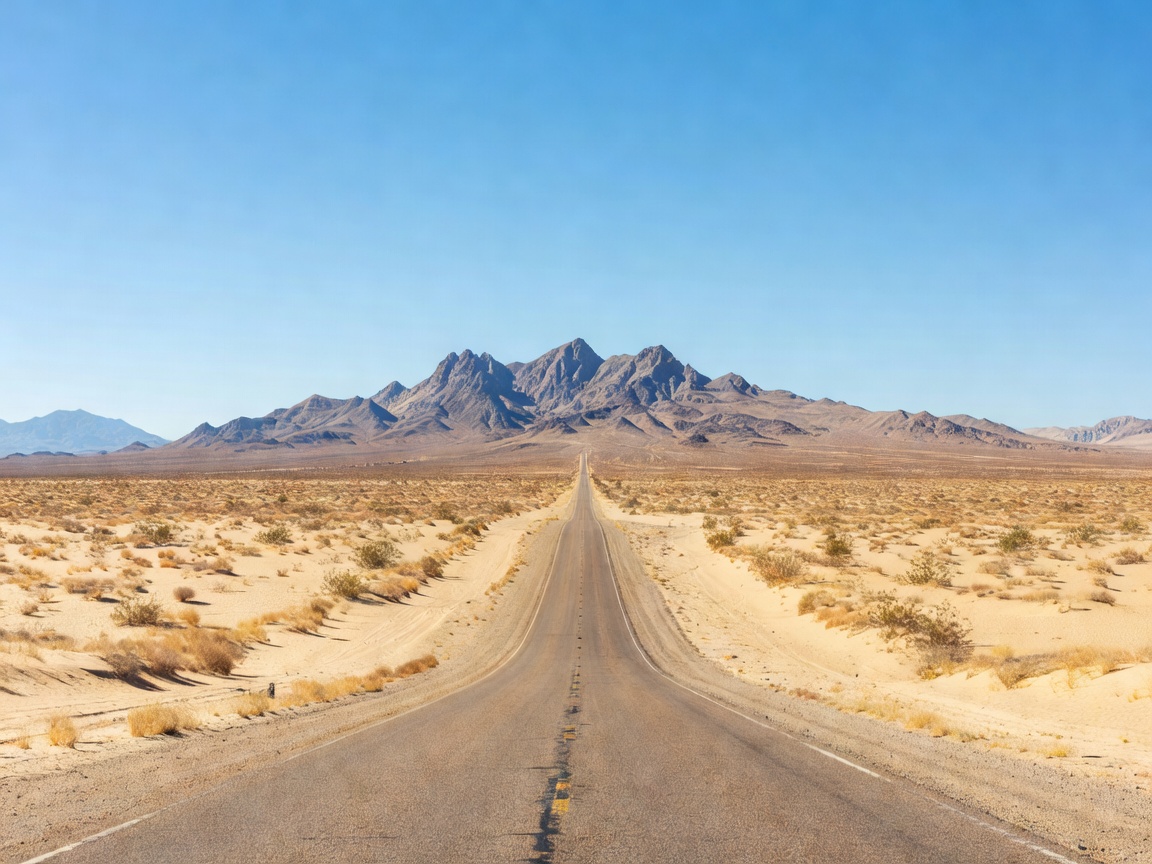
The culinary landscape of the American Southwest is defined by its arid climate, its proximity to the Mexican border, and a deep intertwining of Indigenous, Spanish, and Anglo traditions. A drive through Texas, New Mexico, and Arizona is a masterclass in how geographic isolation and extreme weather foster bold, unyielding flavor profiles. It is a region that demands respect for the pepper.
The Borderlands: True Tex-Mex
The term "Tex-Mex" is frequently misused outside of the region to describe any generic Mexican-American fast food. In reality, authentic Tex-Mex is a distinct, regional cuisine originating with the Tejano people of Texas. Driving the highways of Southern and Central Texas reveals the true nature of this food: heavy, cheese-laden, and deeply comforting.
The defining elements are the prolific use of cumin, massive flour tortillas (often pressed fresh in-house), and slow-stewed meats. Breakfast tacos are the essential morning fuel for this stretch of the drive. Served out of small taquerias and converted gas stations, a proper breakfast taco consists of a warm, slightly charred flour tortilla wrapped around combinations of eggs, chorizo, refried beans, potatoes, and bacon, heavily doused in house-made red or green salsa.
For dinner, the cheese enchilada plate—smothered in a rich, dark, chili gravy that owes more to traditional American gravy-making techniques than to Mexican salsas—remains the gold standard of Tejano comfort food.
New Mexico: The Question of Red or Green
Crossing the state line into New Mexico introduces a dramatic shift in the culinary paradigm. Here, Tex-Mex disappears entirely, replaced by New Mexican cuisine, a tradition fiercely guarded and entirely unique to the state. The soul of this cuisine is the chile. In New Mexico, chiles are not a condiment; they are the primary vegetable.
When you order a dish in New Mexico, you will inevitably be asked the official state question: "Red or green?" This refers to the chile sauce that will smother your meal. The green chile is harvested early, roasted, peeled, and possesses a bright, sharp, vegetal heat. The red chile is allowed to ripen on the vine, dried in long strands called ristras, and puréed into a deep, earthy, slightly sweet sauce. For the indecisive traveler, the correct answer is "Christmas"—a ladle of both.
The must-try regional specialties include stacked (not rolled) blue corn enchiladas, often topped with a fried egg, and the humble but fiery green chile cheeseburger, a perfect marriage of American diner culture and local agriculture found in unassuming roadside diners from Santa Fe to Las Cruces.
Arizona and Indigenous Influences
Moving westward into Arizona, the landscape grows harsher, and the culinary influences of the Navajo and Hopi nations become more pronounced. While Sonoran-style Mexican food—characterized by thin, massive, translucent flour tortillas and bacon-wrapped hot dogs (Sonoran dogs) sold from street carts—dominates the southern part of the state, the northern routes offer something different.
The Navajo taco is a road trip essential in this region. The base is a large disc of traditional fry bread—a soft, pillowy dough deep-fried until golden—which is then loaded with ground beef, pinto beans, shredded lettuce, tomatoes, and cheese. It is a hearty, texturally brilliant dish born out of historical necessity and reservation rationing, now celebrated as a point of cultural pride.
Desert Driving Logistics
Traveling the Southwest requires preparation. Distances between towns can be vast, and cell service in the desert valleys is frequently non-existent. When seeking out the best food, do not be deterred by unassuming architecture. A peeling adobe structure with bars on the windows and a dirt parking lot often houses generations of culinary mastery.
Respect the heat, both meteorological and culinary. The salsas and chile sauces of this region are built for people who have acclimated to them over a lifetime. Proceed with caution, keep plenty of water in the car, and embrace the slow, deliberate pace of desert life.