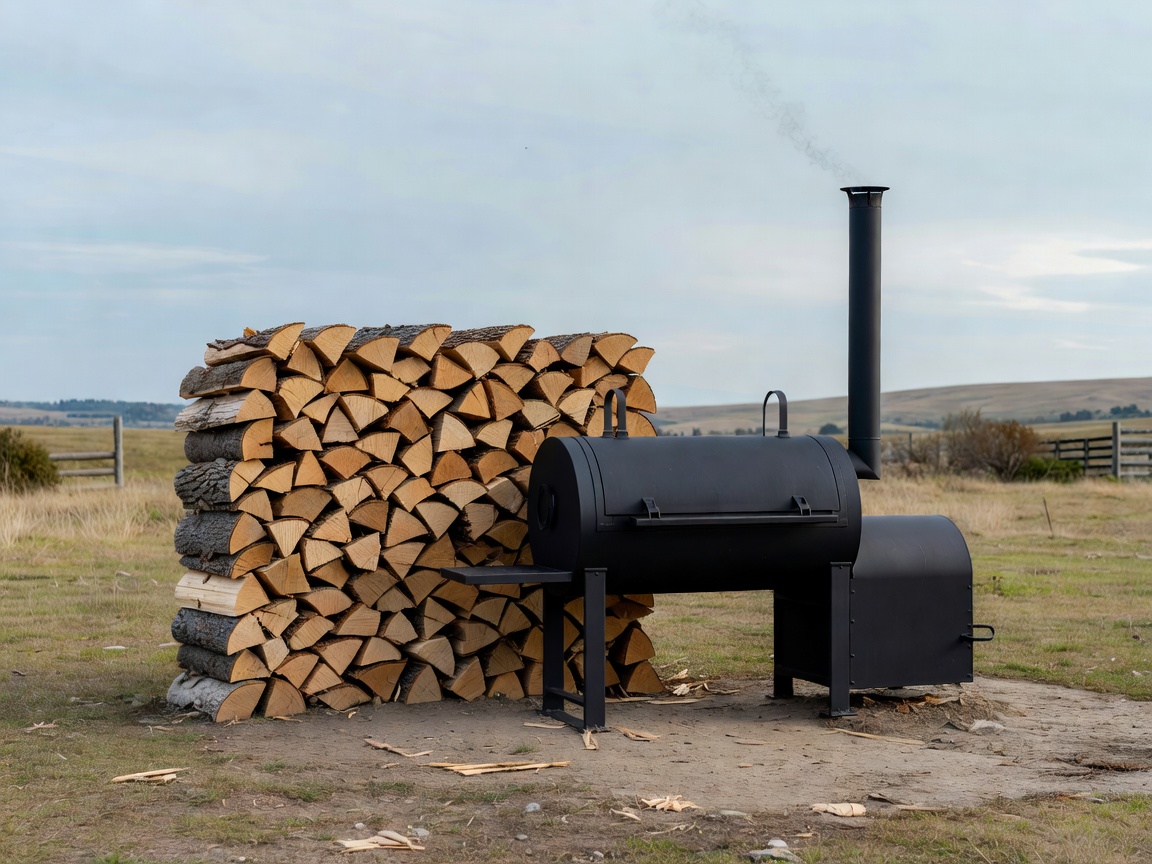
Barbecue in the American South is not a method of cooking; it is a profound cultural identifier. A true barbecue road trip requires navigating a complex geography of fiercely defended regional styles. The definition of what constitutes "real" barbecue changes dramatically depending on which state line you have just crossed. To understand the South, one must understand how they approach wood, smoke, and time.
The Carolinas: Whole Hog and The Sauce Divide
Any serious exploration of Southern barbecue must begin with pork. In the Eastern part of North Carolina, the tradition is whole hog barbecue. The entire animal is smoked slowly over hardwood coals, then chopped—mixing the tender, fatty belly meat with the leaner loins and the crispy skin. The only acceptable dressing in this region is a thin, pungent mixture of apple cider vinegar, black pepper, and chili flakes designed to cut through the immense richness of the pork.
As you drive westward into the Piedmont region, the focus shifts slightly to the pork shoulder, and the sauce gains a dash of tomato or ketchup, creating a slightly sweeter, redder dressing known as "Lexington style."
Cross the border into South Carolina, and you enter the mustard belt. German immigrants who settled in the area brought their affinity for mustard, resulting in "Carolina Gold"—a tangy, bright yellow sauce that coats pulled pork with a unique, earthy sharpness. The transition in flavor over just a few hundred miles is stark and immediate.
Memphis: The Kingdom of Ribs
Traveling west to Memphis, Tennessee, brings a shift in focus from the chopped or pulled meat to the bone-in cut. Memphis is a city built on the pork spare rib. The primary distinction here is the fierce allegiance to the "dry rub."
While "wet" ribs (slathered in a sweet, tomato-based sauce before and after cooking) are available, the connoisseur’s choice is always dry. These ribs are aggressively coated in a complex blend of paprika, garlic, onion powder, and varying proprietary spices before hitting the smoker. They are served with an extra dusting of the rub, creating a highly textured bark that seals in the moisture. The meat should yield cleanly from the bone with a gentle bite, never falling off entirely—a sign of overcooking in true pitmaster circles.
Texas: The Brisket Empire
Cross the Mississippi River and head deep into Central Texas, and the rules change entirely. Here, beef is sovereign, and the brisket is the ultimate test of a pitmaster's skill. Influenced heavily by Czech and German meat markets of the 19th century, Central Texas barbecue is minimalist in its preparation.
A traditional Texas brisket requires nothing more than coarse kosher salt, heavy black pepper, and post oak smoke. Sauce is often viewed with deep suspicion—a crutch used to hide dry meat. The brisket is smoked for upwards of 14 hours until the heavy collagen breaks down, resulting in meat that trembles when sliced and possesses a pronounced pink "smoke ring" just beneath the peppery black bark. It is typically served on brown butcher paper with a slice of white bread, raw onions, and pickles to cleanse the palate between rich, fatty bites.
Logistics of the BBQ Trail
A barbecue road trip requires strategic digestive planning. True, artisanal barbecue places operate on a "sold out" model. The pitmasters put the meat on the smoker the night before; when it is gone, they close the doors. In Central Texas particularly, it is not uncommon to find lines forming at 8:00 AM for places that open at 11:00 AM.
Do not be deterred by aesthetics. The highest quality barbecue is frequently found in un-air-conditioned cinderblock buildings, converted gas stations, or tin-roofed shacks with stacks of seasoned wood piled out back. If a restaurant has cloth napkins and a massive marketing budget, proceed with caution. Seek out the places where you smell the post oak or hickory smoke long before you see the building.