New England is a region defined by its distinct seasons and a historical culture of Yankee frugality. The resulting cuisine is remarkably straightforward, relying on the sheer quality of local ingredients rather than complex culinary manipulation. A road trip through this compact, historically dense region—weaving between the rocky Atlantic coast and the heavily forested inland mountains—reveals a food culture built on survival, resourcefulness, and deep tradition.
The Maine Coast: The Architecture of the Lobster Roll
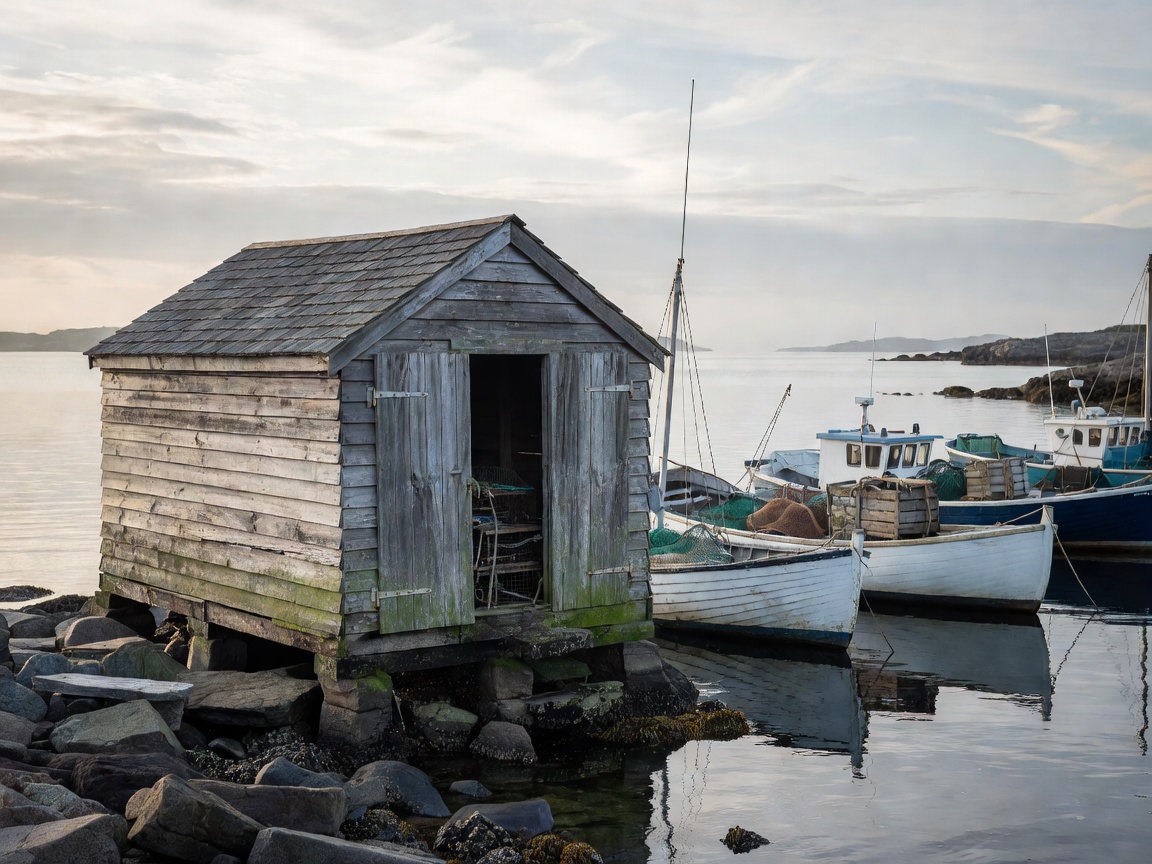
Driving north along US Route 1 through Maine brings you into the undisputed capital of the American lobster industry. The quintessential dining experience here is not found in fine-dining restaurants, but at the "lobster pound." These establishments often look like little more than glorified sheds sitting on wooden docks over tidal estuaries. Here, lobsters are pulled from submerged cages, thrown into massive outdoor cauldrons of seawater, and served whole on plastic trays with nutcrackers and a cup of drawn butter.
Equally revered is the Maine lobster roll. The architecture is strictly regulated by local consensus: chilled, incredibly fresh lobster meat lightly bound with mayonnaise, served in a top-split, flat-sided hot dog bun that has been buttered and griddled until golden brown. No celery, no heavy spices—just the sweet brine of the meat contrasting with the warm, buttery crunch of the bread.
Massachusetts and Rhode Island: The Clam Shack Belt
Heading south into Massachusetts and Rhode Island, the coastal focus shifts to bivalves. The roadside clam shack is an institution along this stretch of coast. The true local delicacy is the whole-belly clam. Unlike the common clam strips found in mass-market dining (which are cut from the tough foot of large sea clams), whole-belly soft-shell clams possess a rich, oceanic, slightly mineral flavor that bursts when bitten.
These are heavily breaded, usually in a mixture of corn flour and regular flour, and deep-fried to a crisp golden brown. Served alongside heavily salted crinkle-cut fries and tart tartar sauce, a paper boat of fried clams eaten on a picnic table overlooking a salt marsh is the definitive Southern New England summer experience.
Rhode Island also offers its own peculiar culinary anomalies, such as "stuffies" (quahog clam shells packed with a baked mixture of chopped clams, breadcrumbs, herbs, and spicy sausage) and coffee milk, a sweet regional beverage made from coffee-flavored syrup.
Inland Excursions: Maple, Dairy, and Cider
To truly understand New England, one must turn inland toward Vermont and New Hampshire. Here, the economy shifts from the sea to the forest and the pasture. The small country store remains the hub of rural life.
In Vermont, dairy is paramount. Small, artisanal cheese makers produce some of the sharpest, most complex cheddars in the world. A proper road trip requires stopping at these rural creameries to sample cheeses aged anywhere from one to ten years. Alongside the dairy is the maple syrup industry. True, wood-fired maple syrup possesses a smoky, complex terroir that mass-market imitations cannot replicate. If traveling in early spring during "mud season," you can visit the sugar shacks to watch the sap boiling down in vast, steaming evaporators.
By autumn, the region is blanketed in the smell of pressing apples. Small roadside orchards offer fresh cider and warm, heavily spiced cider donuts—a ritualistic indulgence for those traveling to view the turning foliage.
Navigating the Region
New England road trips are highly seasonal. While summer provides the classic coastal shack experience, many of these coastal businesses close completely from October through May. Conversely, the inland routes through the Green and White Mountains are spectacular in the autumn but require careful winter driving skills once the snows arrive.
When selecting venues, look for the weathered signs and full parking lots. A genuine New England institution rarely advertises heavily; they rely on generations of repeat customers who know exactly what they want before they even reach the counter.